Category: Travel

  • More Than a Waterfall: A 3-Mile Journey in the Poconos

    More Than a Waterfall: A 3-Mile Journey in the Poconos

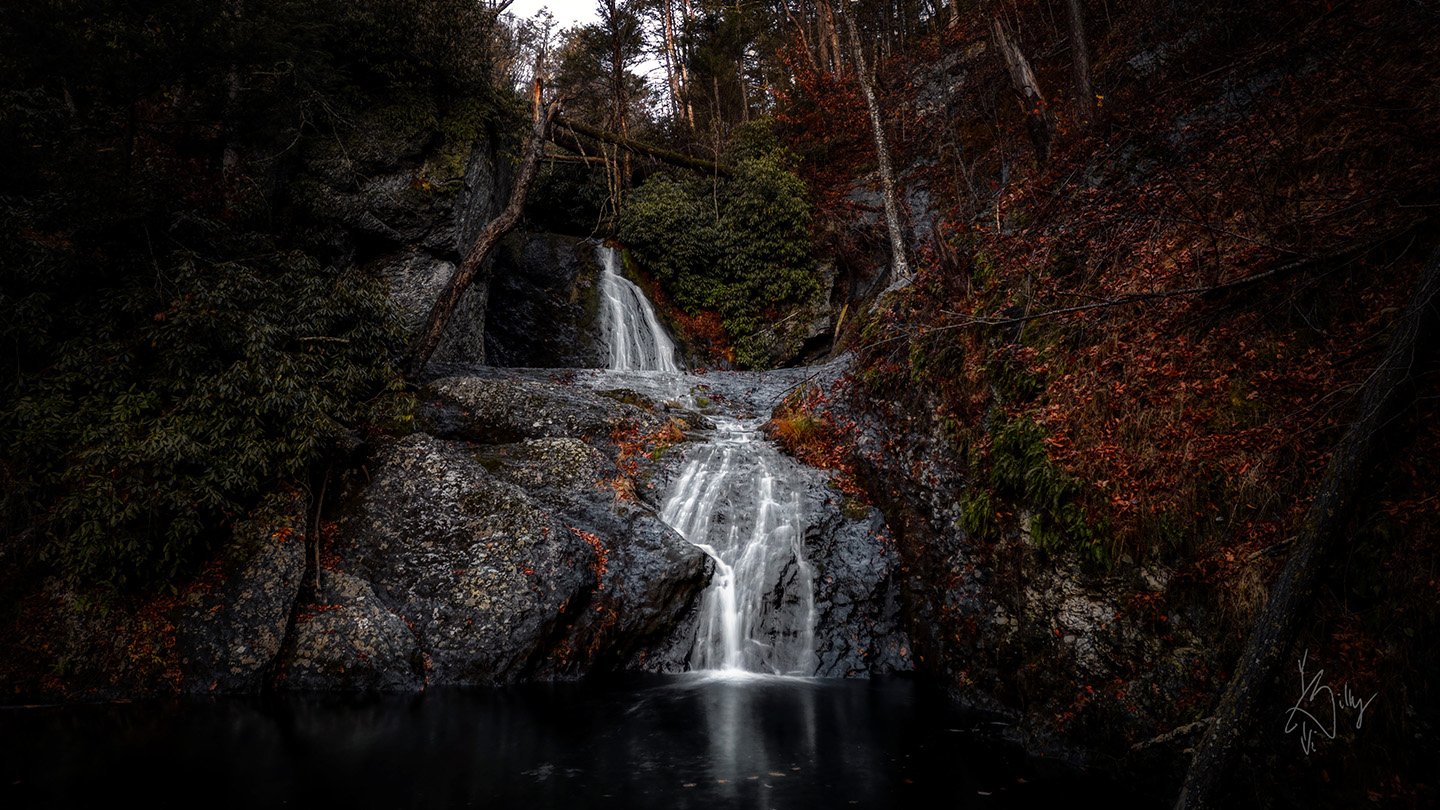
    It seems one need not venture deep into Nature to find waterfalls in the Delaware Water Gap, a region of wondrous natural beauty in the northern part of Pennsylvania. It is simply brimming at the seams, so to speak, with waterfalls.

    Variously referred to (at least by me) as the Poconos, the Pocono Mountains, Dingmans Ferry, or simply that place “not far from picturesque Milford”, the Delaware Water Gap–with “water gap” being defined as a gap in a mountain range formed by water (like a river) flowing through it, and “Delaware” being (I think) the Delaware River that flows into the Atlantic in the State of Delaware–is home to several waterfalls many of which are popular while some seem to have been lost to the casual tourist. Tumbling Waters is one of the latter.

    Perhaps the reason for that is it takes a long, 3-mile hike to experience just one waterfall at Tumbling Waters. If the visitor simply wants a waterfall experience in the Poconos, options abound with a lot less effort, more touristy vibes, and therefore more bang for the buck. The three waterfalls at George W. Childs, for example, begin at only 0.2 mile from the trailhead. At Bushkill, the first and second of several waterfalls begin at only 0.1 mile. And Raymondskill Falls is only a 0.1-mile walk from the parking lot.

    There is no question a short walk in Nature accords one the moment needed to get away from the stresses of daily life. Like reading a book, engaging in a hobby, and listening to music, Nature provides a means of escape.

    So, with more inviting options, why would anyone visit something like Tumbling Waters?

    Change.

    A long walk in Nature gives one time to ponder on the profound (whatever that may be), reflect on one’s own faults and shortcomings, clear the mind, forge a path forward, and so on, and so on. A long walk in Nature can liberate the self from baggage weighing down on one’s mind and set a baseline from which one can spring forth and start afresh.

    And should a waterfall land in one’s path along the way, one could take that as culmination of one’s thoughts, dreams, and, yes, prayers and take that first bold step forward toward change knowing that as part of a greater whole one is never truly alone.
  • Waterfall Experience at Harriman State Park

    Waterfall Experience at Harriman State Park

    A waterfall tall and majestic is a sight to behold.

    But unlike a mountain that has to be 1,000 feet or higher otherwise it’s just a “hill”, a waterfall has no height or width restriction for it to be called a “waterfall”. If water falls vertically down a rock ledge of higher elevation to a rock ledge or pool of lower elevation, then it is rightfully and literally a waterfall.

    Indeed, water dropping just one foot high through a narrow chute between two rocks is a waterfall. But imagine widening that chute to the width of a river spanning dozens of feet while keeping the same height of one foot and one cannot be faulted for calling it a “cascade”.

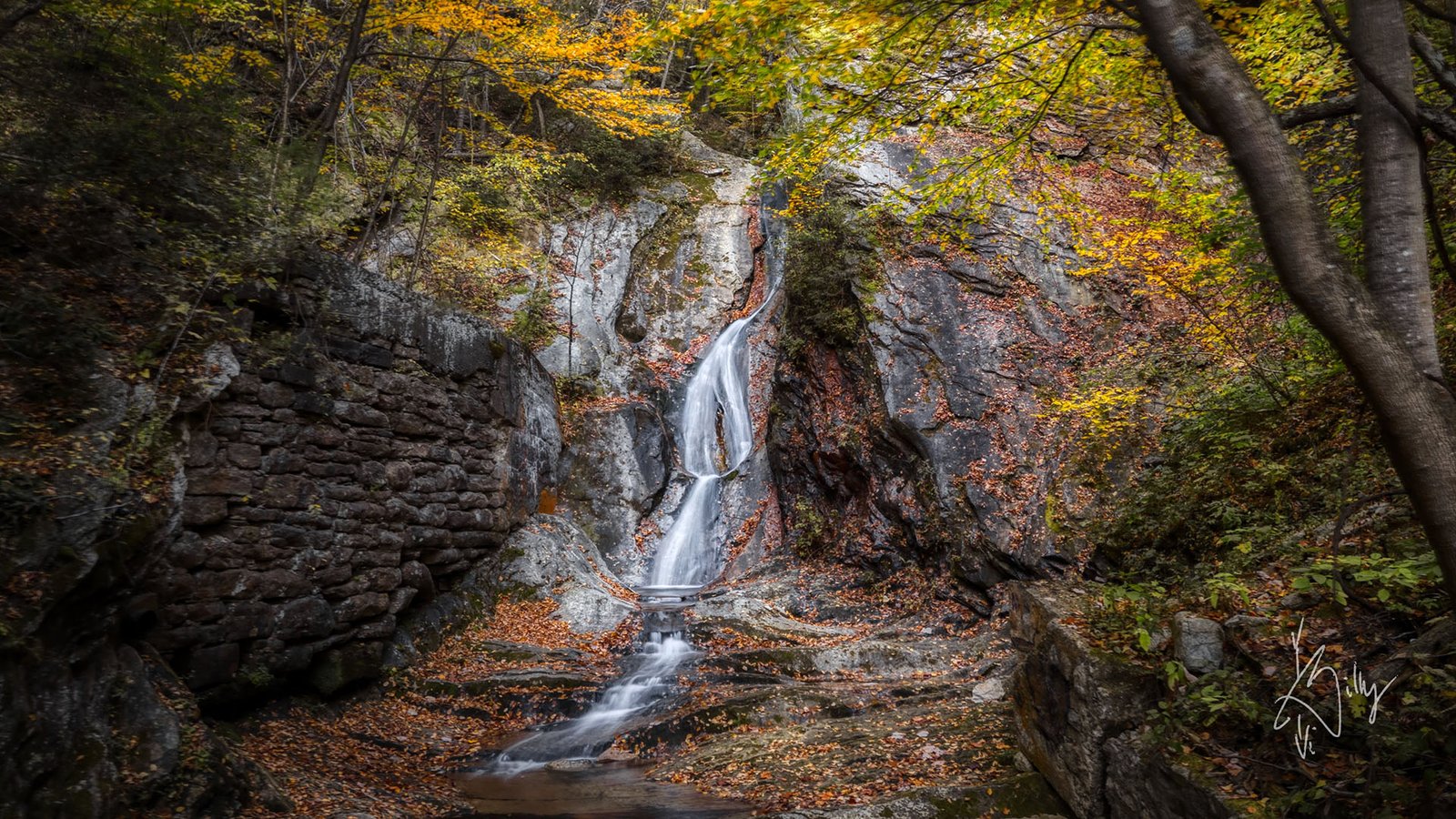
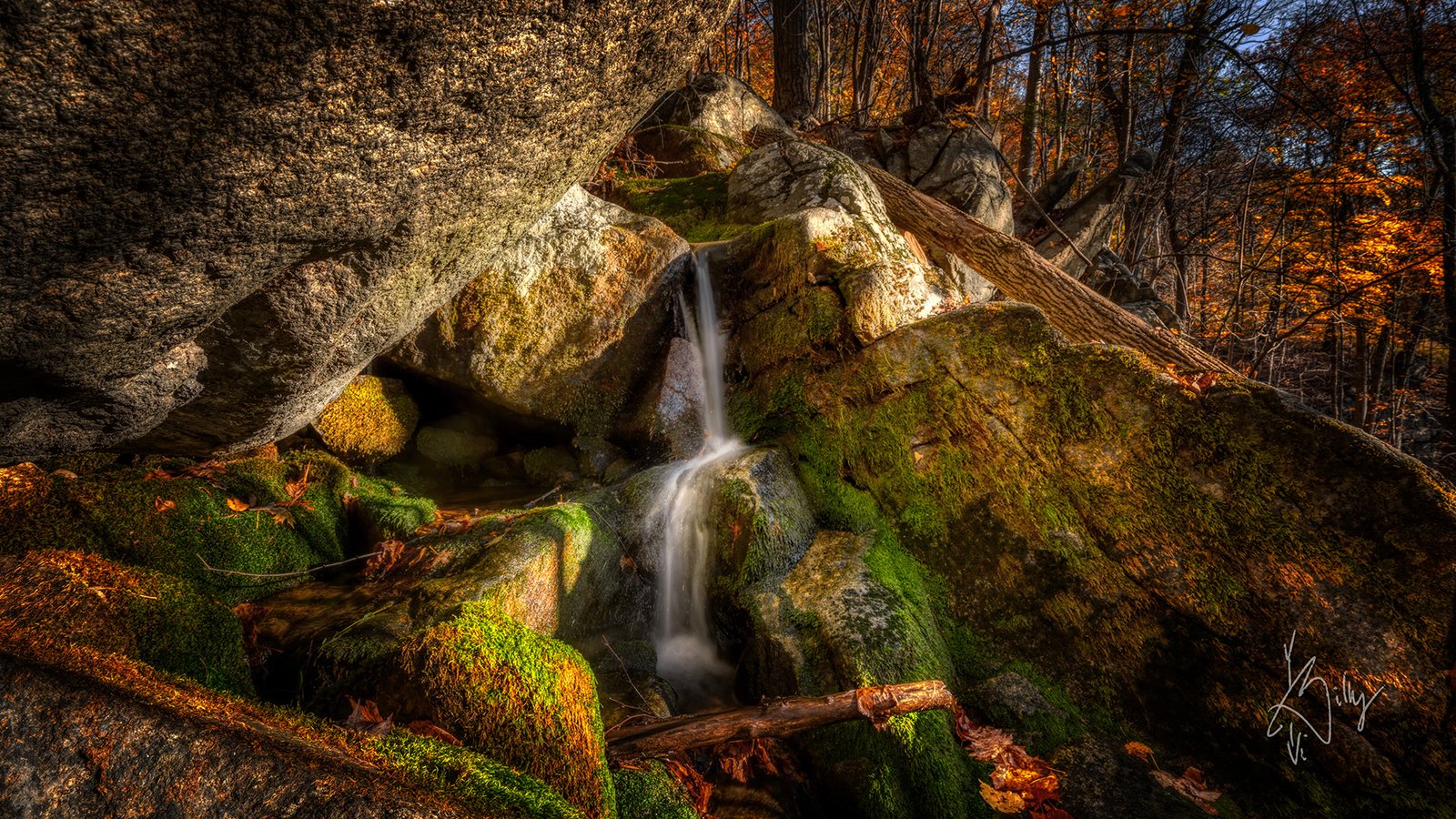
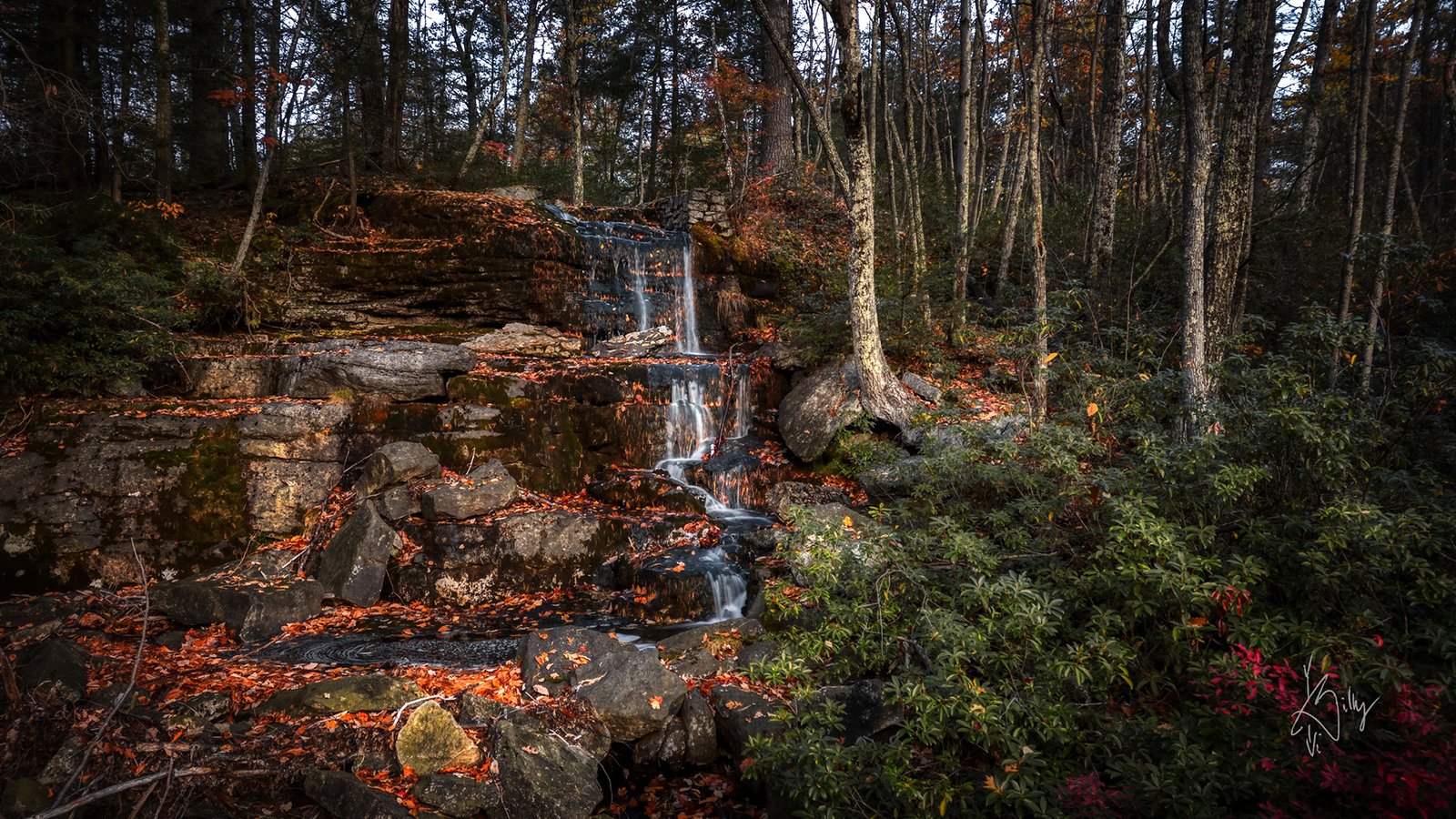
    So, I need no one’s forgiveness when I declare that I have found two waterfalls on Kakiat Trail at Harriman State Park, albeit small.

    Harriman State Park’s mountains—yes, they are over 1,000 feet tall—do not seem to have the resource to power water down the slopes year-round into raging waterfalls. So it’s not known to be a hotspot for waterfalls. Except for the waterfall called Arthur’s Falls, the rest, 11-22 depending on which website you visit, are seasonal and are likely not going to be there when you visit unless you come at just the right time—right after a heavy downpour.

    But the waterfall experience is not one of sight alone. Whether it’s the thunderous roar or the light pattering, the sound a waterfall makes is perhaps Mother Nature’s best instrument in elevating one’s whole being into the realm of rejuvenating bliss.

  • Sanders Creek Falls at Minnewaska State Park

    Sanders Creek Falls at Minnewaska State Park

    Minnewaska State Park is huge. And very, very beautiful. Streams, waterfalls, views, rock formations, lakes, carriage trails, hiking trails, biking trails, even fantastic cross-country skiing—name it, Minnewaska State Park has it. No wonder it has in the 1800s become a booming domain of the well-to-dos which has since the 90s been transformed into the public park that it is today for a meager $10-per-vehicle-no-matter-how-many-people-you-can-safely-cram-in-there fee and NYC day-trippers began coming in droves for a romp in Nature “upstate”. So, when coming on a summer or fall weekend, unless you plan on arriving before opening at 9 AM, be prepared for not getting into the park at all.

    Just saying.

    But there are alternatives. Outside the main park there’s Stony Kill Falls which we ended up going to years ago when we saw the long line of cars on NY44/55 trying to get in. There are also trailheads here and there with limited parking, some free, some not. People on these “alternates” don’t normally stay there the whole day so you might get lucky finding parking as people come and go.

    The waterfall at Sanders Kill Creek is one such alternative. Although it’s right next to busy NY44/55, where you’ll often hear traffic, this is still a legitimate waterfall worth seeing. It is just a short and effortless 0.2-mile walk from the ~8-car lot at Jenny Ln where you can park for free.

    And if you’re already parked at Jenny Ln and made it to Sanders Kill Creek, you can maybe walk the rest of the way effortlessly on NY44/55 into the main gate at Minnewaska State Park less than a mile away and walk in for free.

    Just saying…

  • Experience Awe in the Poconos

    Experience Awe in the Poconos

    Hornbeck’s Creek Waterfall

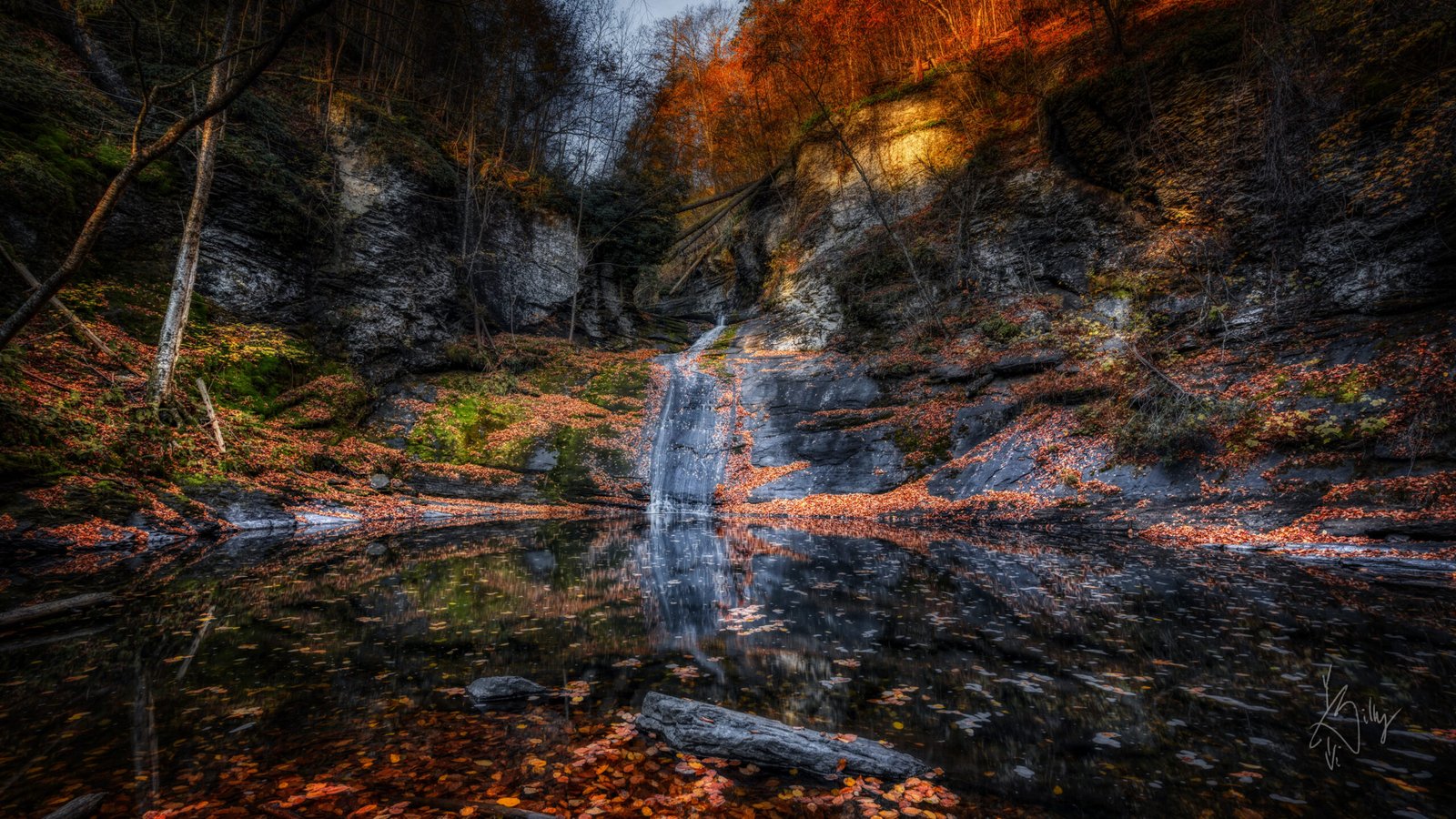
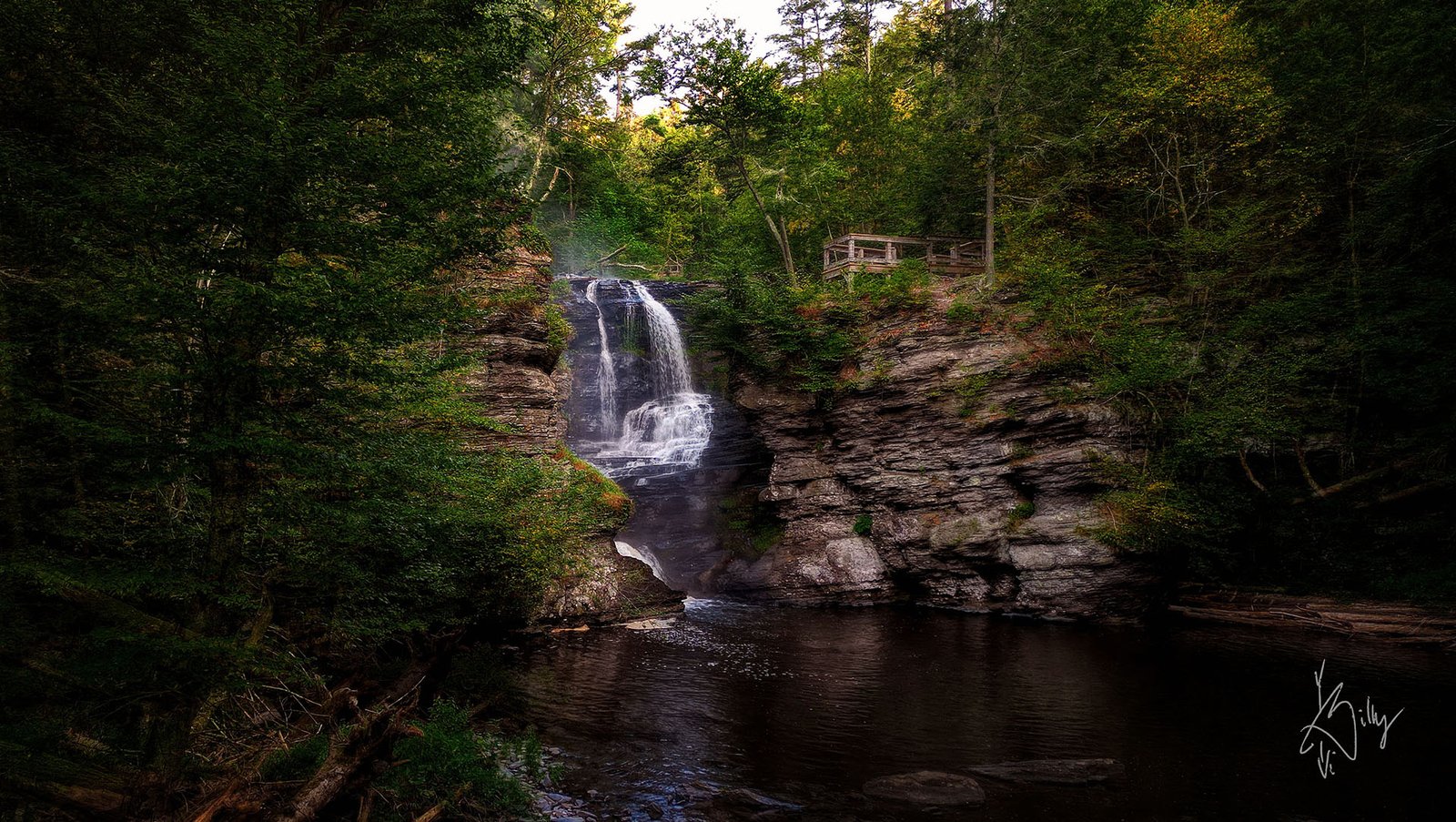
    The Delaware Water Gap in the Poconos is chockful of waterfalls that even if one wishes to avoid the popular ones like Raymondskill, George W. Childs, and Bushkill, there’s still a plethora of waterfalls to choose from with short hikes and less to no crowds in an even more pristine Nature setting. The Lower Indian Ladder Falls at Hornbeck’s Creek is one such waterfall.

    At just over a mile hike, the wooded trail crisscrossing the creek eventually opens up to an amphitheater with the waterfall at dead center. It’s as awe-inspiring as a waterfall can get. And awe, as backed by recent studies, is beneficial to our well-being.

    Awe causes “shifts in neurophysiology, a diminished focus on the self … and a heightened sense of meaning,” says Dacher Keltner, a preeminent scientist studying awe.

    “It is impossible to overstate the role that the grandeur of nature has played in human spirituality. Psalm 19 sings out, ‘The heavens are telling the glory of God, and the firmament proclaims his handiwork.’” This, surprisingly, is from the book, “The Anxious Generation” (2024), whose author, Jonathan Haidt, discloses in the same book that he is an atheist.

    The book’s thesis focuses on the current Gen-Z’s addiction to the smartphone through no fault of their own and the author’s conviction that through specific measures this addiction can be undone. And awe in nature, if teens can be made to wander in Nature without their phones constantly demanding their attention with an endless barrage of notifications, is one such measure.

    I only mention the book’s thesis in case anyone wants to delve further into such well-written and well-researched topic.

    I would like to draw attention instead to where the book says, “You see a photo of Victoria Falls … and yet, because the entire image is displayed on a screen the size of your hand, and because you did no work to get to the falls, it’s just not going to trigger as much awe as you’d get from hiking up to a much smaller waterfall yourself.”

    In other words, you may view photos and watch videos of Niagara Falls, but the experience will nowhere near equal that of visiting a waterfall yourself, even one as small as the waterfall on Hornbeck’s Creek.

    Yet the most telling aspect of the book for me is the atheist author’s perhaps unintended message that one need not believe in anything to be awed by Mother Nature. Such is her power. And when one finds oneself so moved by Mother Nature, in a somewhat fateful turn into irony, is when one finds oneself immobilized into utter disbelief.

  • Milky Waterfall Photos with a Drone?

    Milky Waterfall Photos with a Drone?

    Is it Possible?

    Think of the times you wanted to photograph a waterfall but can’t because you would either have to ford the stream to get to the other side where the waterfall can be seen or rappel down the side of a cliff to get down to the waterfall buried deep inside a gorge.

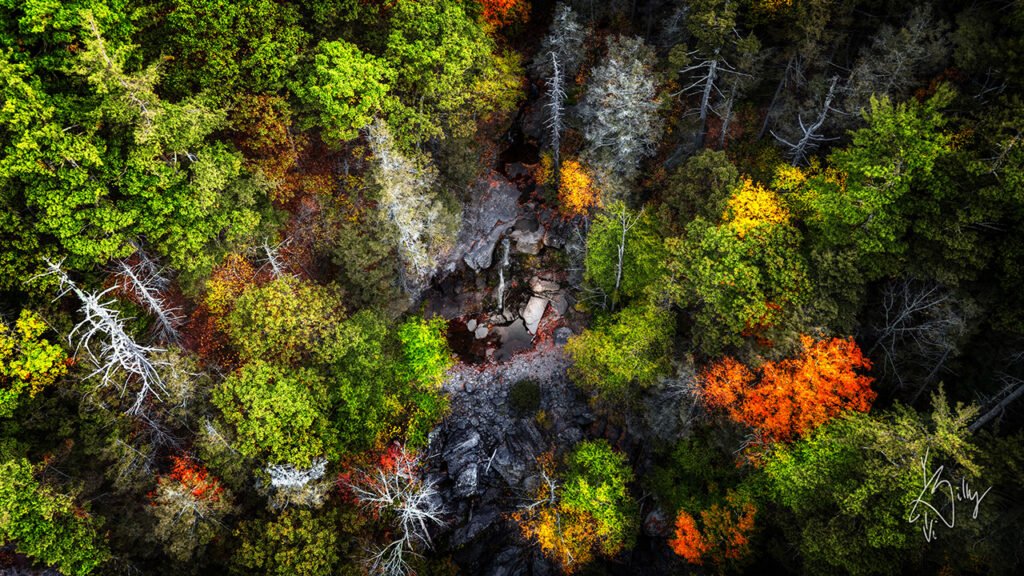
    A drone in both cases can help you take those shots.

    Waterfall Photography

    But photographing waterfalls is all about controlling movement—movement of the water, specifically. To make the waterfall look like what our eyes see—milky and feathery white instead of the millions of water droplets suspended in the air—we need to control the water’s movement by slowing down our shutter speed to about a second or so. And to shoot anything at that slow speed, forget about waterfalls, we will need a tripod if we don’t want our image blurred by our unsteady hands.

    Can a drone do this?

    Six Degrees of Freedom

    A drone is essentially a tripod in the air. It uses a hardware-based gimbal and software-based electronic image stabilization to keep the image still in the camera’s lens. The resulting image, as the video shows, is comparable to the milky, feathery white waterfall we are accustomed to taken by tripod-mounted cameras.

    A drone can be a powerful and indispensable tool in a waterfall photographer’s arsenal. It offers six degrees of freedom: forward/back, up/down, left/right. We have complete freedom in framing our shots without ever leaving our spot.

    Flying safely and respectfully

    Although drones are still expensive, used ones especially of previous models can be bought for less. Still, flying a drone can be nerve-wracking as it is so easy to crash them, even for experienced remote pilots.

    But as beginners, if we restrict the use of our drone to photographing waterfalls only, where the drone is always just a few steps away and never leaves our sight—and not, say, flying high in the sky surveying the landscape just because we can—then we will never have to worry about our expensive drone crashing irretrievably far away from us. We can save such adventures for later as we gain experience.

    And, lastly, we should always be respectful by not even pulling our drone out of our bag when there are others around who, like us, also came to enjoy Nature. There will always be a next time. If not, then we can always pull out our trusty old camera and tripod from our bag instead.

  • Short Hike from Bastion to Kaaterskill

    Short Hike from Bastion to Kaaterskill

    Or Is It?

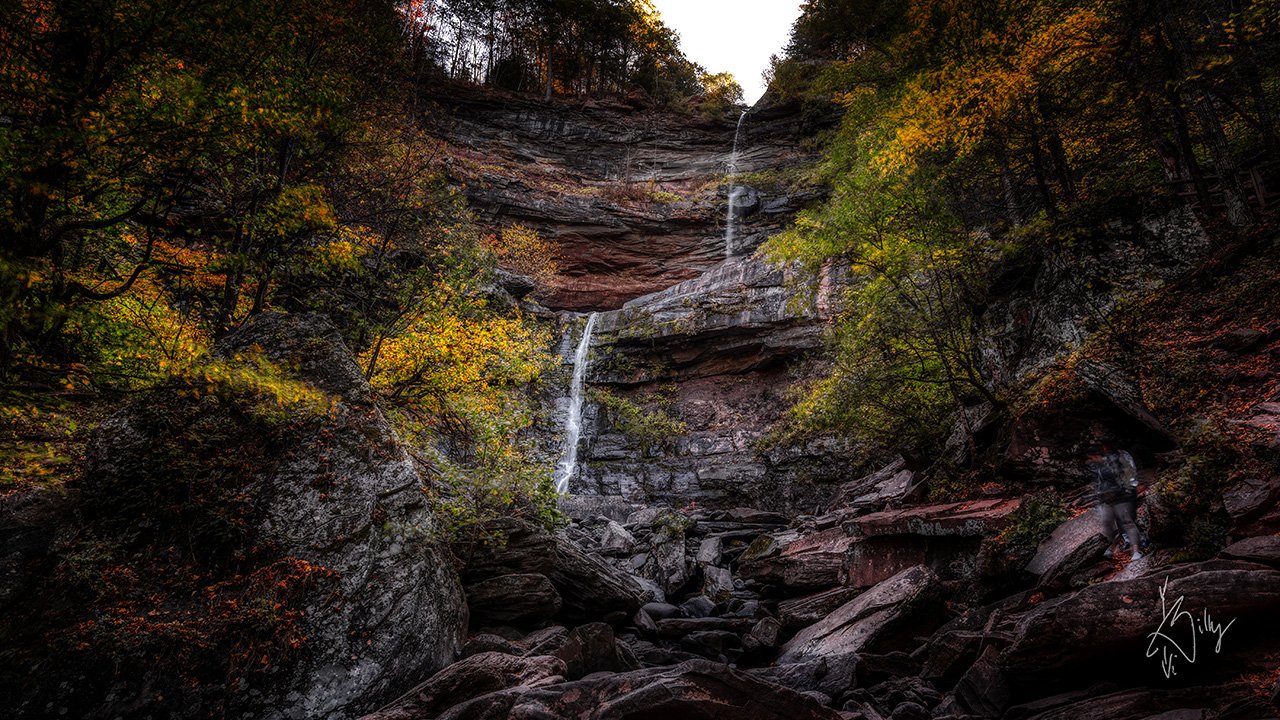
    I’d say many people visit Bastion Falls, a roadside waterfall in the Catskills, and call it a day. Not realizing that just a short hike away is an even more majestic waterfall, Kaaterskill Falls.

    I originally planned on making this video showing the short and easy hike between the two waterfalls–Kaaterskill Falls and Bastion Falls.

    But because of my poor planning, it turned out to be anything but short and easy.

    Parking

    My plan hinged on the parking lot on scenic NY-23A in the Catskills being just a short, roadside stroll from Bastion Falls. Then, from beautiful Bastion Falls, a short, easy, half-mile, 20-minute hike to another beautiful waterfall, Kaaterskill Falls.

    But because NY-23A was being resurfaced when I arrived, the parking lot for Bastion Falls was closed. Only construction vehicles may park there.

    Having driven more than an hour to get there, I was now committed to making something of my trip, if I didn’t want to come back home empty-handed. Being that there were no other waterfalls nearby that I haven’t been to, it meant parking at Laurel House another 3.5 miles away, hiking 0.7 mile from there to the top of Kaaterskill Falls, and then descending 300 feet to the bottom of the falls before I can start on my planned hike, the short half-mile between Bastion Falls and Kaaterskill Falls.

    Bastion Falls
    Bastion Falls

    Needless to say, I wasn\’t mentally or physically prepared for the much longer and more demanding hike. Indeed, I did not prepare at all. Who prepares for a short and easy hike, anyway?

    So this video is now about the long hike from Laurel House to Bastion Falls via Kaaterskill Falls, with an attempt to put emphasis on the short, easy hike between the two falls. I invite those who come to visit only Bastion Falls for its roadside convenience to take a bit of a plunge in Nature and hike to Kaaterskill Falls, too, and maybe learn the rewards—both physical through exercise and mental through solace—of hiking in Nature guided by her constant and comforting motherly presence.

  • Discover Raymondskill Falls: Hiking and Nature Escapes

    Discover Raymondskill Falls: Hiking and Nature Escapes

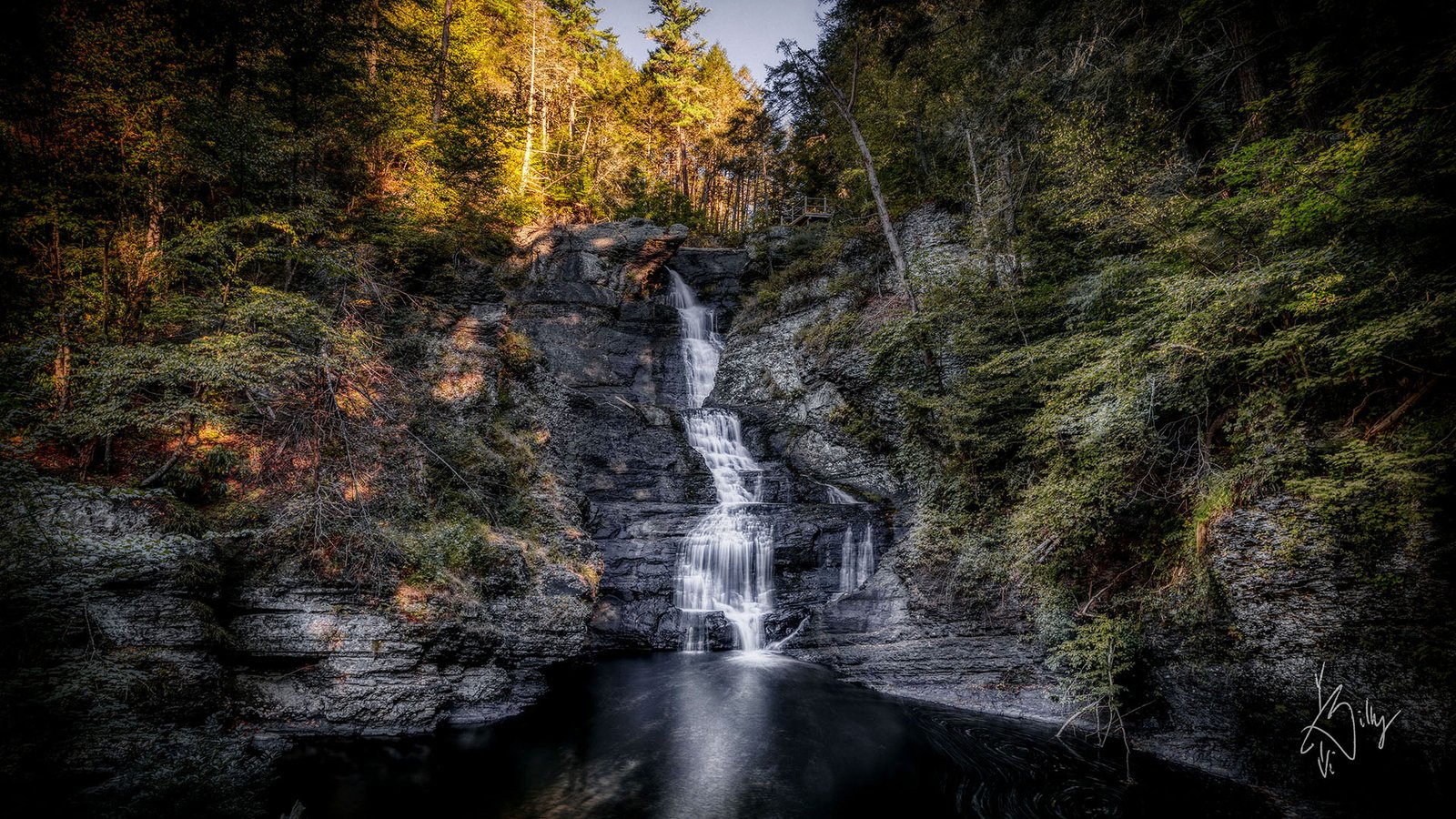
    Raymondskill Falls at 178 feet is the tallest waterfall in Pennsylvania. Located in the state’s north-east corner where the Delaware River separates the Pocono Mountains in Pennsylvania from the Catskill Mountains in New York and the Kittatinny Mountains in New Jersey, Raymondskill Falls is in a mountainous region not far from the picturesque town of Milford which, because of its charming main street lined with quaint shops, restaurants, and historical buildings, is frequently cited as one the best small towns in America.

    Brief Hike

    The hike to the falls is brief. Completing the half mile, 16-minute loop takes the visitor to the top and bottom of the falls along a well-defined and well-maintained path complete with wooden guardrails that keep the visitor away from the steep drops below.

    There’s brick-and-mortar restroom, too, at the amply-appropriated parking lot.

    All for free.

    Expect Crowds

    If all this sounds inviting that you want to visit, then it’s going to be likely that so would many others, too. Indeed, the trail can be busy, especially on weekends. And, when compared to other waterfalls where the trails are largely undisturbed except for the paths formed by the footsteps of hikers past, a visit to Raymondskill Falls could have the feel of a crowded theme park instead of the quiet trip in Nature you were expecting.

    An Escape

    Fortunately, there is an escape from all this. An optional out-and-back at just under one mile total takes you down to Raymondskill Creek for some peace and quiet, with two additional waterfalls along the way, away from the crowds at Raymondskill Falls for some time alone communing with Mother Nature.

  • Experience the Beauty of George W Childs Recreation Park

    Experience the Beauty of George W Childs Recreation Park

    I wouldn’t mind a waterfall that requires a hike. It is, for me, the price of admission that weeds out the disinterested who would otherwise only crowd the place.

    But how does not one, not two, but three waterfalls sound?

    On a hike that is not 3, not 2, but only just over 1 mile?

    Over terrain that is if not paved then riddled with wooden steps, stairs, bridges, and viewing decks?

    With not porta-johns but brick-and-mortar bathrooms and more than ample parking?

    All for free?

    This nirvana is known as George W Childs Recreation Park and is in the Poconos in northeastern Pennsylvania.

    George W Childs worked in a bookstore when he was 12. At age 14 he worked in a bookshop where his employer entrusted him with purchasing books for the bookshop. At 18, he started his own firm and at 21 was offered partnership in a publishing firm that eventually bore his name (along with his partner’s). The firm became prosperous.

    Prosperous enough to become a philanthropist, purchasing land in the Poconos (with several waterfalls) and creating a trail system that he opened to the public for free. He believed that not just the wealthy, but everyone should enjoy the outdoors.

    A few years after his death, his wife gifted the park to the state in 1911 and remains to this day open to the public for free.

    Books. Trails. Two peaceful pursuits. But I never thought that one could lead to the other. Nirvana, indeed.

  • Exploring UFOs: Pine Bush Fair Highlights 2025

    Exploring UFOs: Pine Bush Fair Highlights 2025

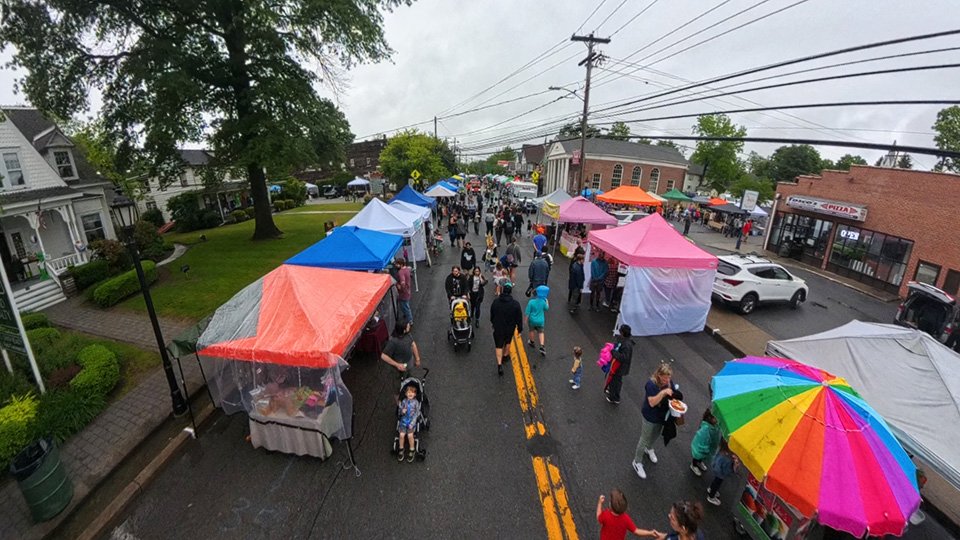
    Well, we’ve been to the Pine Bush UFO Fair before, years ago, but I don’t remember it being this heavy in content this time around. Back then, it was mostly, I’d say, very cheesy stuff. Sure, there were talks by people who specialized in the field and by people who’ve actually seen UFOs, but the fair was mostly dominated by people in costumes, ET balloons, arts and crafts, local brews and delicacies, and pop culture (as Nick Pope would say) with nothing, I’d say, particularly groundbreaking when it came to the subject of UFOs.

    Nick Pope

    This time, though, Nick Pope was there. His (paid) talk was not until 7 PM that night, but perhaps having nothing else better to do than sit in his hotel room, he graced the morning and afternoon by hanging around in the main gazebo for people to take selfies with him and ask him questions. And, man, you have to love the guy. Nice and honest, forthcoming and kind, somewhat smallish in stature, he engaged everyone who came. His path to fame, I guess, before he became all famous and ubiquitous in just about every UFO documentary on TV and the History Channel on cable – and he would always include this in his introduction – is he worked for the “UK Ministry of Defense”, America’s equivalent of “DoD”, investigating UAPs. But – and perhaps out of humility he would always add with some emphasis – he was a “civilian contractor”. He was not an “employee”. So don’t picture him in a brass military uniform in your head just in case I think he’s trying to say.

    Nick Pope with Via Carpio Smith.
    Nick Pope with Via Smith.

    Samuel A. Sjaastad: Repeated UFO sightings

    I guess I came up with the right question when, after being hawked into his booth with a, “Check out my art show!” and looking at his drawings, I asked, “What inspired you?” And immediately, Samuel A. Sjaastad, a Brooklyn man with repeated UFO sightings, pointed to his drawing of a spacecraft with 8 beings inside looking out the window. I wasn’t expecting that. He was in a ferris wheel with his wife in Maryland, he said, when they saw the UFO which then just “disappeared”. Everything about his body language, his facial expression, his questioning of his own experience, and, yes, emotion as if reliving something that just happened moments ago instead of 5 years ago, was authentic as far as I can tell. It “messed” him up, he’d always say. Speaking with someone who’ve actually seen living UFO occupants, a “close encounter of the third kind”, is an experience I never thought of having.

    Samuel A. Sjaastad with author.
    Me with Samuel A. Sjaastad.

    Billy Meier

    Then there was a booth with lots of UFO photos taken by Billy Meier, a UFO contactee in Switzerland whose story I read about in a book nearly 40 years ago. Meier’s alien contacts (there was more than one) would tell him where to show up and when with his camera so he could take tack-sharp photos of metallic disk objects floating in the sky. He is now a prophet with a shrine in Switzerland that people can visit. At 88 years of age, he is still very active both physically and mentally. His message, according to the booth attendants, is, “There should be peace on earth because the last thing we want is [for] the world to be destroyed. We don’t want no nuclear war.”

    Amazing, indeed, is all I can say about this year’s UFO Fair in Pine Bush. It was in the past perhaps cheesy because not too long ago one cannot have a serious discussion once “UFO” is dropped in the conversation. But, now, especially with the Pentagon releasing the Tic Tac UFO video, UFOs—or UAPs to better phrase the phenomenon—have become accepted in the mainstream. There is something out there—and because my wife and I have seen one ourselves, I can say—that no amount of searching in humankind’s collective mental database of everyday objects would ever come close to making a full and final revelation.

  • Discover the Unique Bridge at Black Creek Preserve

    Discover the Unique Bridge at Black Creek Preserve

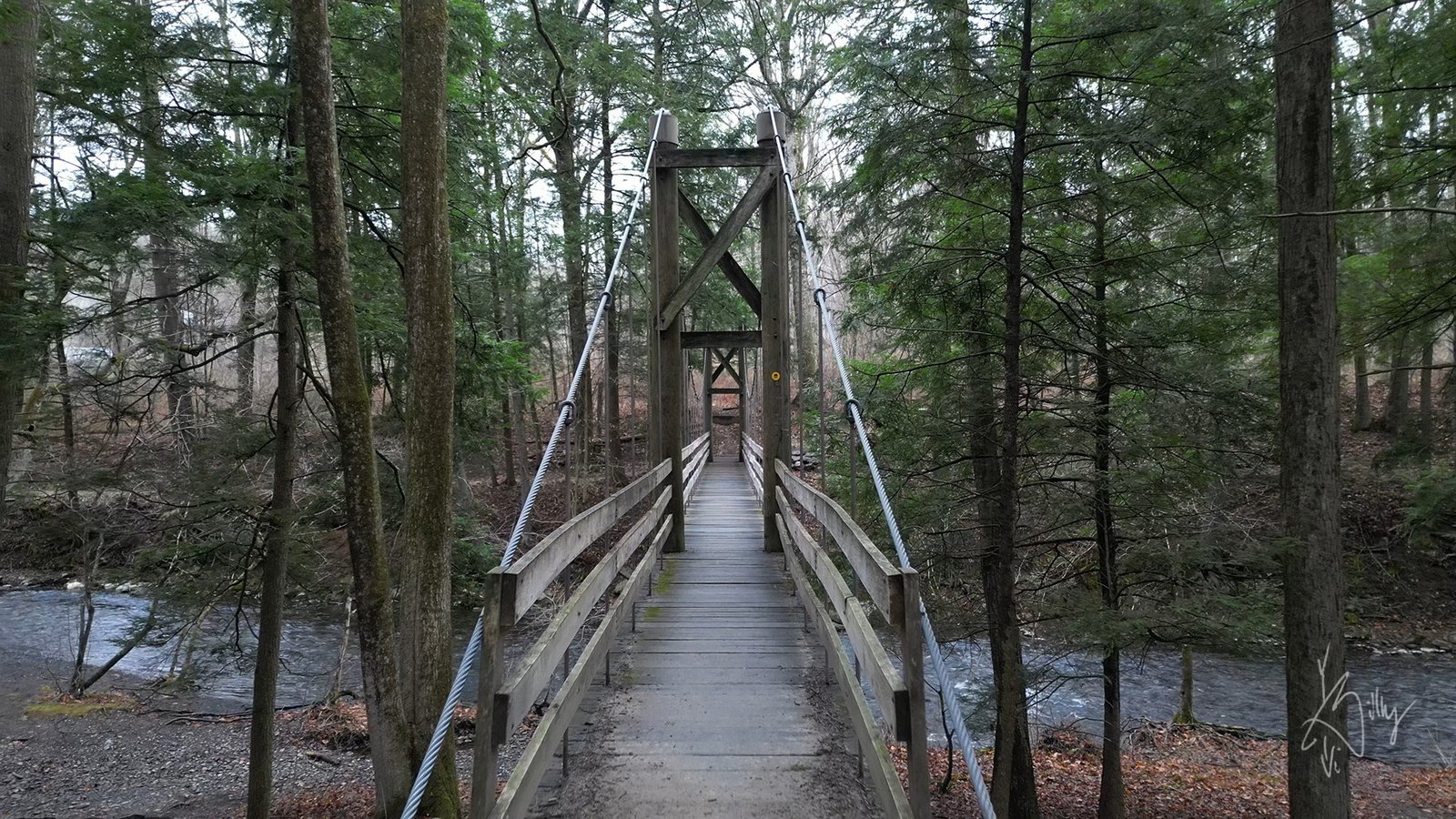
    Black Creek Preserve is different from other trails in that it begins with a bridge. And not just any bridge but one that is suspended. Think Golden Gate or George Washington. Maybe not as big but it shares the same aesthetic design—the deck hanging below cables suspended on two vertical supports—that evokes pomp and grandeur from the hiker that crosses it.

    Well, at least, it did, for me.

    After the bridge-crossing the trail goes on an immediate 150-foot climb in the first 5 minutes. Nothing strenuous, though. But that may be because I was still brimming with energy and anticipation at the beginning of the hike.

    The intersecting trails totaling 2.1 miles are well-marked with variously colored trailblazers. From the bridge, stairs are carved on the dirt that leads to wooden planks and then rope handrails. The rope handrails flanking both sides of the trail do not seem to be there for safety. The trail looked perfectly safe. More likely they’re there to guide the hiker along.

    The noise of traffic disappears as you get farther and farther away from the town of Esopus, deeper and deeper into wooded nature, and closer and closer to the then wide-open banks of the Hudson River.

    Dsc02975 1024x683
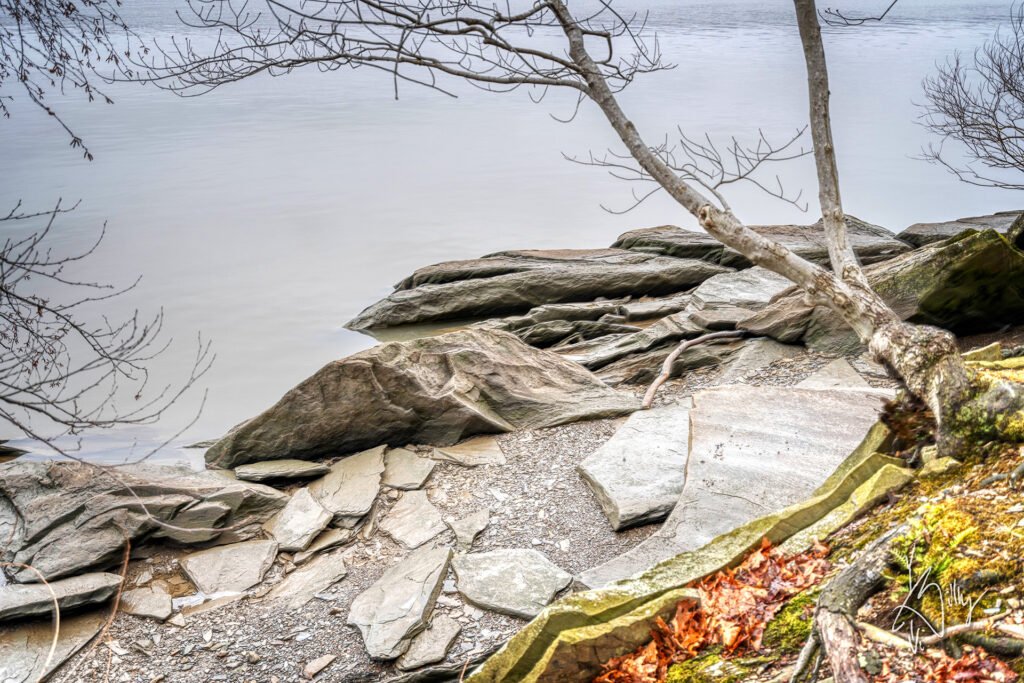
    Hudson River at Black Creek Preserve

    So, I cannot imagine anything to complain about Black Creek Preserve. It is 150-acres big but AllTrails.com estimates the hike to take only an hour. (My “moving time” was 1 hour and 15 minutes but because I stopped every now and then to take pictures and film, my “total time” was just about 2 and a half hours.) The trails intersect at various points so you can pretty much navigate your own pattern while hiking it.

    Search online for “Black Creek Preserve” and you might get the impression that the Suspension Bridge is all there is by the sheer number of photos of it. (Which, incidentally, is also the photo I use for this video’s thumbnail.)

    But the bridge is not even the half of it. It is only the beginning of a winding and immersive trek in Mother Nature. Walk five minutes into the trail and you will find yourself looking down (seemingly) from the top of a mountain, captivated by the forestry surrounding you with its attendant sights, sounds, and smells, such that the Suspension Bridge, pompous and grandiose as it was while you were crossing it, is now relegated to being just a distant, fading, and long-forgotten memory.